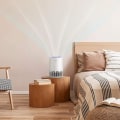
In today’s world, where indoor air quality is often compromised by various pollutants, understanding air purifiers and their functionality is essential for maintaining a healthy living environment. An air purifier is a device designed to remove contaminants from the air in a room, effectively improving the overall air quality. These devices are particularly beneficial for individuals suffering from allergies, asthma, or other respiratory conditions, as they help to filter out harmful particles that can exacerbate these issues.So, how do air purifiers work? Most models utilize a combination of filters and technologies to capture and eliminate airborne pollutants. The most common type of filtration system is the HEPA (High-Efficiency Particulate Air) filter, which can trap particles as small as 0.3 microns with an efficiency of 99.97%.
In addition to HEPA filters, many air purifiers also incorporate activated carbon filters that absorb odors and volatile organic compounds (VOCs), further enhancing their effectiveness. Some advanced models even use UV light or ionization technology to neutralize bacteria and viruses, providing an extra layer of protection against harmful microorganisms.The benefits of using an air purifier extend beyond just cleaner air. By continuously filtering out allergens such as dust mites, pet dander, pollen, and mold spores, these devices can significantly reduce allergy symptoms and improve overall respiratory health. Furthermore, maintaining good indoor air quality can lead to better sleep quality, increased productivity, and a general sense of well-being.
As we delve deeper into the importance of running an air purifier all the time, it becomes clear that understanding their functionality is just the first step in reaping the full benefits they offer.
Why You Should Run Your Air Purifier All the Time
Running your air purifier continuously offers a multitude of benefits that significantly enhance indoor air quality and promote better health. Here are some compelling reasons to keep your air purifier operational at all times:Consistent Air Quality Improvement
One of the primary advantages of running an air purifier continuously is the consistent improvement in air quality. Air purifiers work by filtering out harmful particles, allergens, and pollutants from the air. When left on, they can:- Continuously remove allergens: Dust, pollen, pet dander, and mold spores are common indoor allergens that can trigger respiratory issues.
A constantly running air purifier helps to minimize these irritants.
- Eliminate odors: Whether it’s cooking smells, pet odors, or smoke, an air purifier can help neutralize unpleasant scents, ensuring a fresher environment.
- Reduce airborne pathogens: Many air purifiers are equipped with HEPA filters that can capture bacteria and viruses, contributing to a healthier living space.
Health Benefits
The health benefits of maintaining clean indoor air cannot be overstated. By running your air purifier all the time, you can:- Enhance respiratory health: Cleaner air reduces the risk of asthma attacks and other respiratory problems. This is especially crucial for individuals with pre-existing conditions.
- Improve sleep quality: Better air quality can lead to improved sleep patterns. Clean air helps reduce nighttime allergies and promotes a more restful sleep.
- Boost overall well-being: Breathing clean air contributes to better concentration and productivity levels.
It can also enhance mood and energy levels.
The Role of Continuous Air Circulation
One of the most significant advantages of running an air purifier continuously is its ability to facilitate constant air circulation. This process is crucial for maintaining a healthy indoor environment, as it prevents the buildup of pollutants and allergens that can compromise air quality.When an air purifier operates, it actively draws in air from the surrounding space, filters it through its various stages of purification, and then releases clean air back into the room. This cycle not only removes harmful particles but also ensures that fresh air is consistently circulated throughout your living space.The importance of this continuous circulation cannot be overstated, as stagnant air can lead to a host of issues.
The Dangers of Stagnant Air
Stagnant air can become a breeding ground for various contaminants, including:- Dust and Dust Mites: These tiny creatures thrive in undisturbed environments, leading to increased allergy symptoms.
- Mold and Mildew: High humidity levels combined with stagnant air can promote mold growth, which poses serious health risks.
- Pollen and Pet Dander: These common allergens can accumulate in stagnant areas, exacerbating respiratory issues.
- Volatile Organic Compounds (VOCs): Emitted from household products, these compounds can linger in stagnant air, contributing to poor indoor air quality.
This means that even in larger spaces or homes with multiple rooms, the purifier can effectively circulate air without missing a beat.In conclusion, the role of continuous air circulation facilitated by an always-on air purifier is vital for maintaining a healthy indoor atmosphere. By preventing the accumulation of pollutants and ensuring that clean air is consistently available, you create a safer and more pleasant environment for you and your family.
Controlling Allergens and Pollutants Effectively
Maintaining a healthy indoor environment is crucial, especially for those who suffer from allergies or respiratory conditions. One of the most effective ways to achieve this is by running a top air purifier continuously. This practice not only enhances air quality but also plays a significant role in controlling allergens and pollutants that can trigger health issues.Indoor allergens such as dust mites, pet dander, mold spores, and pollen can accumulate quickly in our living spaces.When an air purifier operates continuously, it actively filters these particles from the air, ensuring that they do not settle on surfaces or become airborne again. Here are some key benefits of running an air purifier all the time:
- Immediate Allergen Removal: As soon as allergens enter your home, a continuous air purifier can capture them before they have a chance to circulate. This is particularly important during allergy seasons when pollen levels are high.
- Reduction of Respiratory Irritants: Air purifiers equipped with HEPA filters are designed to trap tiny particles, including smoke and volatile organic compounds (VOCs), which can exacerbate respiratory issues. By keeping the purifier running, you minimize exposure to these irritants.
- Consistent Air Quality: The air quality in your home can fluctuate due to various factors such as cooking, cleaning, or even outdoor pollution.
A continuously operating air purifier helps maintain a stable environment by constantly filtering out new contaminants.
- Enhanced Comfort: Cleaner air contributes to overall comfort in your home. Individuals with allergies often experience relief from symptoms like sneezing and congestion when the air is free from allergens.
Energy Efficiency: Debunking Common Myths
When it comes to running air purifiers continuously, many homeowners are often concerned about energy consumption.This concern is fueled by several myths that suggest keeping an air purifier on all the time will lead to exorbitant energy bills. However, understanding the actual energy efficiency of modern air purifiers can help debunk these misconceptions.
Myth 1: Air Purifiers Consume Excessive Energy
One of the most common myths is that air purifiers are energy hogs. In reality, most contemporary models are designed with energy efficiency in mind. Many air purifiers use less energy than a standard light bulb, typically consuming between 30 to 100 watts per hour, depending on the model and settings.
This means that running an air purifier continuously can cost as little as $1 to $3 per month, depending on your local electricity rates.
Myth 2: Turning Off the Purifier Saves Energy
Another prevalent belief is that turning off the air purifier when not in use will save more energy. While it may seem logical, this approach can actually lead to higher energy consumption in the long run. When you turn off your air purifier, pollutants and allergens can quickly accumulate in your indoor environment. When you turn it back on, it has to work harder to clean the air, which can use more energy than if it had been running continuously.
Myth 3: All Air Purifiers Are Equally Efficient
Not all air purifiers are created equal when it comes to energy efficiency.
Some models are equipped with advanced technologies such as HEPA filters and smart sensors that optimize their performance based on real-time air quality. Investing in a high-quality air purifier can ensure that you are getting the best balance of purification and energy efficiency.
Tips for Maximizing Energy Efficiency
- Select an Energy Star-rated model: Look for air purifiers that have been certified for energy efficiency by the Energy Star program.
- Utilize smart features: Many modern air purifiers come with smart technology that allows them to adjust their operation based on the current air quality.
- Regular maintenance: Keeping filters clean and replacing them as needed ensures optimal performance and efficiency.
Maintenance Tips for Optimal Performance
To ensure your air purifier operates at peak efficiency, regular maintenance is essential. This not only prolongs the lifespan of the unit but also guarantees that the air you breathe remains clean and healthy.Here are some practical tips for maintaining your air purifier:
Regular Filter Replacement
One of the most critical aspects of air purifier maintenance is timely filter replacement. Filters can become clogged with dust, allergens, and other pollutants, reducing their effectiveness. Here are some guidelines:- Check Manufacturer Recommendations: Always refer to the user manual for specific recommendations on how often to replace filters. Most manufacturers suggest changing HEPA filters every 6 to 12 months, while pre-filters may need replacement every 1 to 3 months.
- Monitor Usage: If you use your air purifier continuously or live in an area with high pollution levels, consider replacing filters more frequently.
- Visual Inspection: Regularly check filters for visible dirt or damage.
If they appear discolored or clogged, it’s time for a change.
Cleaning the Air Purifier
In addition to replacing filters, keeping the air purifier itself clean is vital for optimal performance. Here are some cleaning tips:- Wipe Down Surfaces: Use a soft, damp cloth to wipe down the exterior of the unit regularly. This helps remove dust and prevents buildup.
- Clean Pre-Filters: If your air purifier has a washable pre-filter, clean it according to the manufacturer’s instructions. This can often be done with mild soap and water.
- Avoid Harsh Chemicals: When cleaning any part of your air purifier, avoid using harsh chemicals or abrasive materials that could damage the unit.
Placement Considerations
The location of your air purifier can also affect its performance.Ensure it is placed in an open area where airflow is not obstructed by furniture or walls. Keeping it away from direct sunlight can also help maintain its efficiency.By following these maintenance tips, you can ensure that your top air purifiers continue to provide clean air effectively and efficiently over time. Regular upkeep not only enhances performance but also contributes to a healthier indoor environment for you and your family.
Choosing the Right Air Purifier for Your Needs
When it comes to selecting the best air purifiers 2023, understanding your specific needs is crucial. With a plethora of options available, knowing what features to prioritize can make all the difference in ensuring you choose a model that effectively improves your indoor air quality.1.Identify Your Primary Concerns
- Allergies and Asthma: If you or your family members suffer from allergies or asthma, look for air purifiers equipped with HEPA filters.
These filters are designed to capture 99.97% of particles as small as 0.3 microns, including pollen, dust mites, and pet dander.
- Odor Removal: For those dealing with persistent odors from cooking, pets, or smoke, consider models that include activated carbon filters. These filters are effective at absorbing and neutralizing unpleasant smells.
- Airborne Viruses and Bacteria: If you're concerned about pathogens, look for purifiers that feature UV-C light technology or other antimicrobial capabilities to help eliminate viruses and bacteria from the air.
2.Room Size Matters
Each air purifier is designed for a specific room size. Check the manufacturer's specifications to ensure the model you choose can effectively cover the area where it will be used. A unit that is too small for your space will struggle to maintain clean air.
3.Noise Levels
If you plan to use the air purifier in a bedroom or office, consider its noise levels.
Many top-rated air purifiers offer multiple fan speeds, allowing you to adjust the noise output according to your comfort level.
4.Maintenance and Filter Replacement
Regular maintenance is essential for optimal performance. Look for models with easily accessible filters and check how often they need to be replaced. Some units even have filter change indicators to remind you when it's time for a replacement.
5.Energy Efficiency
Since you'll be running your air purifier continuously, energy efficiency is an important factor. Look for models that are ENERGY STAR certified, which indicates they meet strict energy efficiency guidelines.By considering these factors when choosing an air purifier, you can ensure that you select one of the top rated air purifiers that best suits your needs and enhances your indoor environment.
Frequently Asked Questions About Air Purifiers
When considering the purchase and use of air purifiers, many individuals have questions regarding their functionality, maintenance, and effectiveness.Below are some of the most frequently asked questions about air purifiers, along with clear and concise answers to help you make informed decisions.
What is an air purifier and how does it work?
An air purifier is a device designed to remove contaminants from the air in a room. It works by drawing in air, filtering it through various types of filters, and then releasing clean air back into the environment. The most common types of filters include HEPA filters, activated carbon filters, and UV light filters, each targeting different pollutants such as dust, allergens, smoke, and odors.How often should I run my air purifier?
For optimal performance, it is recommended to run your air purifier continuously. This ensures that the air in your home remains consistently clean and free from pollutants.If you have specific concerns such as allergies or smoke exposure, consider running it on a higher setting during peak times.
How do I know when to change the filter?
Most air purifiers come with a filter replacement indicator that alerts you when it’s time to change the filter. However, a general rule of thumb is to check the filter every 3 to 6 months, depending on usage and the level of pollutants in your environment. If you notice a decrease in airflow or an increase in odors, it may be time for a replacement.Can air purifiers help with allergies?
Yes, air purifiers can significantly help alleviate allergy symptoms by removing common allergens such as pollen, pet dander, and dust mites from the air. Using a HEPA filter is particularly effective for capturing these tiny particles.What should I do if my air purifier is not working properly?
- Check the power source: Ensure that the unit is plugged in and that there are no issues with the outlet.
- Inspect the filters: Dirty or clogged filters can hinder performance.
Clean or replace them as needed.
- Look for blockages: Ensure that there are no obstructions around the intake or exhaust vents.
- Consult the manual: Refer to the user manual for troubleshooting tips specific to your model.
Conclusion: The Long-Term Benefits of Continuous Air Purification
In conclusion, the significance of running an air purifier continuously cannot be overstated. The benefits extend far beyond mere convenience; they encompass a holistic approach to maintaining a healthy indoor environment. By keeping your air purifier operational at all times, you are actively engaging in the fight against indoor air pollution, which is often overlooked but can have serious implications for health.Consistent Air Quality Improvement
One of the most compelling reasons to run an air purifier continuously is the consistent improvement in air quality. Pollutants such as dust, pet dander, mold spores, and volatile organic compounds (VOCs) can accumulate quickly in indoor spaces.
When you leave your air purifier on, it works tirelessly to filter out these contaminants, ensuring that the air you breathe remains clean and safe.
Health Benefits
Continuous operation of an air purifier can lead to significant health benefits. For individuals with allergies or respiratory conditions like asthma, having a constant source of clean air can alleviate symptoms and improve overall well-being. Studies have shown that reducing airborne allergens can lead to fewer asthma attacks and less reliance on medication.
Energy Efficiency
Another common misconception is that running an air purifier all the time will lead to exorbitant energy costs. In reality, many of the top air purifiers are designed to be energy-efficient.
By operating continuously, they maintain a steady state of air quality without having to work harder to clear out accumulated pollutants when turned back on.
Long-Term Investment
Investing in a high-quality air purifier and using it consistently is a long-term strategy for health and comfort. The initial cost may seem significant, but the dividends paid in terms of improved health and reduced medical expenses make it worthwhile. Moreover, maintaining a clean indoor environment can enhance your quality of life and even increase property value.In summary, the long-term benefits of continuous air purification are clear. From enhancing indoor air quality and promoting better health to being energy-efficient and serving as a wise investment, running your air purifier all the time is a decision that pays off significantly over time.
Prioritizing clean air is not just about comfort; it’s about safeguarding your health and well-being for years to come.