Respiratory health is a critical aspect of our overall well-being, influencing not only how we breathe but also how our bodies function. The air we inhale plays a significant role in maintaining healthy lung function and preventing various respiratory diseases. Unfortunately, many individuals are unaware of the profound impact that indoor air quality can have on their health. With the rise of urbanization and industrialization, air pollution has become a pressing concern, making it essential to understand the importance of clean air in our living environments.Indoor air quality can be compromised by numerous factors, including dust, allergens, mold spores, and volatile organic compounds (VOCs) emitted from household products.
These pollutants can exacerbate existing respiratory conditions such as asthma and chronic obstructive pulmonary disease (COPD), leading to increased symptoms and decreased quality of life. Moreover, even those without pre-existing conditions may experience adverse effects from prolonged exposure to poor air quality, such as respiratory infections and reduced lung function.To combat these issues, it is crucial to recognize the role of air purifiers in enhancing indoor air quality. By effectively filtering out harmful particles and allergens from the air, these devices can create a healthier living environment. Understanding how air quality affects our health is the first step toward making informed decisions about improving our surroundings.
As we delve deeper into this topic, we will explore the various ways in which investing in a top air purifier can significantly benefit respiratory health and overall well-being.
What Are Air Purifiers?
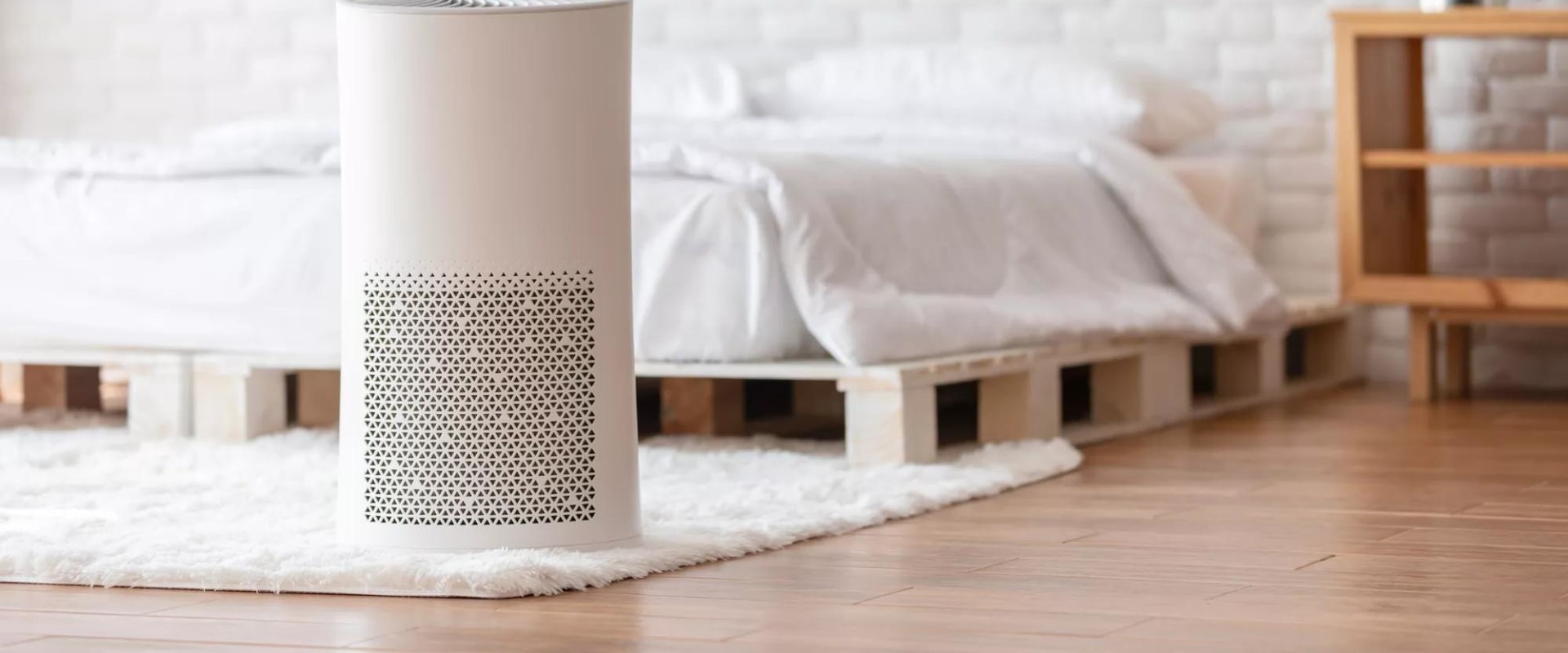
Air purifiers are devices designed to enhance indoor air quality by removing contaminants from the air. These contaminants can include dust, pollen, pet dander, smoke, and even harmful microorganisms. By filtering out these particles, air purifiers help create a healthier living environment, particularly for individuals with respiratory issues or allergies.Understanding how air purifiers work is essential for making an informed purchase. Most air purifiers operate using a combination of filtration technologies that target different types of pollutants.The primary function of an air purifier is to draw in air from the surrounding environment, filter it through various mechanisms, and then release cleaner air back into the room.
Types of Air Purifiers
- HEPA Filters: High-Efficiency Particulate Air (HEPA) filters are among the most effective types of filters available. They can capture 99.97% of particles as small as 0.3 microns, including allergens and dust.
- Activated Carbon Filters: These filters are excellent for removing odors and volatile organic compounds (VOCs). They work by adsorbing gases and chemicals onto their surface.
- UV-C Light Air Purifiers: Utilizing ultraviolet light, these purifiers can kill bacteria and viruses in the air. They are often used in conjunction with other filtration systems for enhanced effectiveness.
- Ionic Purifiers: These devices release negatively charged ions into the air, which attach to positively charged particles, causing them to clump together and fall to the ground or be captured by a filter.
For instance, if you suffer from allergies, a HEPA filter may be your best option. Conversely, if you are concerned about odors or chemical pollutants, an activated carbon filter would be more suitable.In summary, understanding what air purifiers are and how they function is vital for selecting the right model for your home. With various types available on the market, each designed to tackle specific pollutants, you can significantly improve your indoor air quality and overall respiratory health.
The Impact of Indoor Air Quality on Respiratory Health
Indoor air quality (IAQ) plays a crucial role in our overall health, particularly concerning respiratory well-being. Many individuals underestimate the impact that the air they breathe indoors can have on their lungs and overall health.Poor IAQ can lead to a variety of respiratory issues, including asthma, chronic obstructive pulmonary disease (COPD), and even lung infections.Common indoor pollutants include:
- Dust Mites: These microscopic creatures thrive in bedding, upholstery, and carpets. Their droppings can trigger allergic reactions and exacerbate asthma symptoms.
- Pollen: While often associated with outdoor allergies, pollen can enter homes through open windows and on clothing, contributing to respiratory distress.
- Mold Spores: Mold can grow in damp areas of the home, such as bathrooms and basements. Inhaling mold spores can lead to serious respiratory issues, especially for those with pre-existing conditions.
- Volatile Organic Compounds (VOCs): Found in many household products like paints, cleaners, and air fresheners, VOCs can irritate the respiratory system and lead to long-term health problems.
- Pet Dander: For pet owners, dander is a significant source of indoor allergens that can trigger asthma attacks and other respiratory issues.
Furthermore, studies have shown that children exposed to poor indoor air quality are at a higher risk of developing asthma and other respiratory diseases later in life.To combat these issues effectively, investing in top air purifiers is essential. Air purifiers equipped with HEPA filters can significantly reduce the concentration of these harmful particles in your home. By continuously filtering the air, they help create a healthier living environment that supports better respiratory health.In conclusion, understanding the impact of indoor air quality on respiratory health is vital for everyone. By recognizing common pollutants and their effects, individuals can take proactive steps to improve their home environment and safeguard their lungs.
Benefits of Using Air Purifiers for Respiratory Health
Utilizing air purifiers can significantly enhance respiratory health, particularly for individuals suffering from conditions like asthma and allergies.These devices are engineered to filter out harmful particles from the air, which can lead to a myriad of health benefits.One of the primary advantages of air purifiers is their ability to remove allergens such as pollen, dust mites, and pet dander. A study published in the Journal of Allergy and Clinical Immunology found that households using air purifiers experienced a marked reduction in airborne allergens, leading to fewer allergy symptoms among residents. This is especially crucial for children and adults with asthma, as exposure to these allergens can trigger severe respiratory issues.Moreover, air purifiers equipped with HEPA filters are particularly effective at capturing fine particulate matter (PM2.5), which is known to exacerbate respiratory conditions. Research conducted by the American Journal of Respiratory and Critical Care Medicine indicated that individuals living in environments with lower PM2.5 levels reported improved lung function and reduced asthma attacks.In addition to allergens, air purifiers can also eliminate harmful pollutants such as volatile organic compounds (VOCs) and smoke particles.
A study from the Environmental Health Perspectives highlighted that reducing indoor air pollution through the use of air purifiers led to significant improvements in respiratory health among participants exposed to tobacco smoke.Furthermore, air purifiers can help mitigate the spread of infectious pathogens. According to research published in Indoor Air, using air purifiers in homes can reduce the transmission of airborne viruses, thereby lowering the risk of respiratory infections. This is particularly beneficial during flu season or in households with vulnerable individuals.In summary, the benefits of using air purifiers extend beyond mere comfort; they play a vital role in enhancing respiratory health by filtering out allergens, pollutants, and pathogens. For those with asthma or allergies, investing in a high-quality air purifier can lead to a healthier living environment and improved overall well-being.
Choosing the Right Air Purifier: Key Features to Consider
When it comes to selecting the right air purifier for your home, understanding the key features is essential to ensure you make an informed decision.With a variety of options available, knowing what to look for can help you choose a model that best suits your needs.
1.Filter Types
- HEPA Filters: High-Efficiency Particulate Air (HEPA) filters are among the most effective at capturing small particles, including dust, pollen, and pet dander. Look for air purifiers that feature true HEPA filters, which can trap at least 99.97% of particles as small as 0.3 microns.
- Activated Carbon Filters: These filters are excellent for removing odors and volatile organic compounds (VOCs) from the air. If you have pets or cook frequently, consider an air purifier with an activated carbon filter.
- Pre-Filters: Many air purifiers come with pre-filters that capture larger particles before they reach the HEPA filter, extending its lifespan and improving overall efficiency.
2.Room Size Compatibility
Air purifiers are designed for specific room sizes, so it’s crucial to choose one that matches your space. Check the Clean Air Delivery Rate (CADR) rating, which indicates how quickly the purifier can clean the air in a given area.
For optimal performance, select a model rated for a room size larger than your actual space.
3.Noise Levels
If you plan to use the air purifier in a bedroom or office, consider its noise levels. Many models offer multiple fan speeds, allowing you to adjust the noise output according to your preference. Look for units that operate quietly on lower settings while still providing effective purification.
4.Maintenance Requirements
Regular maintenance is vital for keeping your air purifier functioning effectively. Check how often filters need to be replaced and whether they are easy to access.
Some models come with filter change indicators that alert you when it’s time for a replacement, making upkeep more manageable.By considering these key features—filter types, room size compatibility, noise levels, and maintenance requirements—you can confidently choose an air purifier that enhances your indoor air quality and supports your respiratory health.
Maintaining Your Air Purifier for Optimal Performance
To ensure your air purifier operates at its best, regular maintenance is essential. Proper care not only extends the lifespan of the device but also maximizes its effectiveness in improving indoor air quality. Here are some practical tips for maintaining your air purifier:- Regularly Check and Replace Filters: The heart of any air purifier is its filter. Most manufacturers recommend checking the filter every month and replacing it every 3 to 6 months, depending on usage and the type of filter.
HEPA filters, for instance, may last longer than activated carbon filters. Always refer to the user manual for specific guidelines.
- Clean Pre-Filters: If your air purifier has a pre-filter, it should be cleaned regularly. This can often be done by vacuuming or washing it with mild soap and water. A clean pre-filter helps capture larger particles, prolonging the life of the main filter.
- Wipe Down the Exterior: Dust and grime can accumulate on the exterior of your air purifier, which can affect its performance.
Use a damp cloth to wipe down the surfaces regularly, ensuring that vents and controls remain unobstructed.
- Monitor Air Quality Indicators: Many modern air purifiers come equipped with air quality indicators that provide real-time feedback on indoor air quality. Pay attention to these indicators; if they signal poor air quality despite regular maintenance, it may be time to check or replace filters.
- Keep It in a Suitable Location: Position your air purifier in an area where it can circulate air freely. Avoid placing it in corners or behind furniture, as this can hinder airflow and reduce its efficiency.
Remember, a well-maintained air purifier is key to reaping its full benefits.
Common Misconceptions About Air Purifiers
When it comes to air purifiers, there are numerous myths and misconceptions that can cloud consumer understanding. Addressing these misunderstandings is crucial for making informed decisions about which air purifier to purchase and how to use it effectively.Myth 1: All Air Purifiers Are the Same
One of the most common misconceptions is that all air purifiers function identically. In reality, air purifiers vary significantly in their technology and effectiveness. For instance, HEPA filters are known for their ability to capture 99.97% of particles as small as 0.3 microns, making them highly effective for allergens and pollutants.
On the other hand, some purifiers use ionization or UV light, which may not be as effective in removing particulate matter from the air.
Myth 2: Air Purifiers Are Only Necessary for Allergies
While individuals with allergies certainly benefit from using air purifiers, they are not exclusively for this demographic. Air purifiers can also help reduce exposure to harmful pollutants, such as smoke, pet dander, and volatile organic compounds (VOCs), which can affect anyone's respiratory health. This makes them a valuable addition to any home environment.
Myth 3: Air Purifiers Produce Ozone
Another prevalent myth is that all air purifiers produce ozone, a harmful gas that can exacerbate respiratory issues. While some older models and certain types of ionizing air purifiers do emit ozone, many modern air purifiers are designed to operate without producing this gas.
When shopping for an air purifier, look for models that are certified as ozone-free by reputable organizations.
Myth 4: You Don’t Need to Change Filters Regularly
Some consumers believe that once they purchase an air purifier, they can set it and forget it. However, regular maintenance is essential for optimal performance. Filters should be checked and replaced according to the manufacturer's recommendations to ensure the unit continues to operate effectively.
Myth 5: Air Purifiers Can Replace Good Ventilation
While air purifiers significantly improve indoor air quality, they should not be seen as a substitute for proper ventilation. Fresh outdoor air is vital for maintaining a healthy indoor environment.
Using an air purifier in conjunction with good ventilation practices will yield the best results.By debunking these common myths about air purifiers, consumers can make more informed choices that enhance their respiratory health and overall well-being.
Real-Life Success Stories: Air Purifiers in Action
Real-life experiences often provide the most compelling evidence of the benefits of air purifiers. Many individuals have shared their success stories, highlighting how these devices have transformed their respiratory health and overall quality of life.Case Study 1: The Johnson Family
The Johnson family, consisting of two adults and three children, lived in an area with high pollen counts and frequent air quality alerts. Their youngest child, Emma, suffered from asthma, which was exacerbated by seasonal allergies. After researching options, they decided to invest in a top air purifier equipped with a HEPA filter.Within weeks of using the air purifier, the family noticed a significant reduction in Emma's asthma symptoms.
Her nighttime coughing episodes decreased, and she was able to participate in outdoor activities without fear of an asthma attack. The Johnsons reported that their home felt fresher and cleaner, leading to improved overall well-being for the entire family.
Case Study 2: Mark's Journey to Better Health
Mark, a 45-year-old man with chronic obstructive pulmonary disease (COPD), struggled with breathing difficulties due to indoor air pollution from cooking and dust. After consulting with his doctor, he purchased a high-efficiency air purifier designed specifically for respiratory health.After just one month of consistent use, Mark experienced remarkable improvements. His lung function tests showed better results, and he reported fewer flare-ups of his COPD symptoms.
Mark expressed gratitude for the air purifier, stating that it not only improved his breathing but also enhanced his quality of life by allowing him to engage more actively with his family.
Testimonial: Sarah's Allergies
Sarah, a college student living in a shared apartment, had long battled seasonal allergies that made studying difficult. After hearing about the benefits of air purifiers from friends, she decided to try one for herself. She chose a compact model that fit perfectly in her small room.Sarah was amazed at the difference it made. Within days, she noticed fewer allergy symptoms such as sneezing and itchy eyes.
She could focus better on her studies without constant distractions from her allergies. Sarah now recommends air purifiers to all her friends who suffer from similar issues.These testimonials and case studies illustrate the profound impact that air purifiers can have on respiratory health. By filtering out allergens and pollutants, these devices not only improve air quality but also enhance the lives of those who suffer from respiratory conditions.
Frequently Asked Questions About Air Purifiers
As air purifiers become increasingly popular, many individuals have questions about their functionality, benefits, and necessity. Below are some of the most frequently asked questions regarding air purifiers.1.Do I really need an air purifier?
The necessity of an air purifier largely depends on your living environment and health conditions.If you live in an area with high levels of air pollution, suffer from allergies, asthma, or other respiratory issues, an air purifier can significantly improve your indoor air quality. Additionally, households with pets or smokers may also benefit from the removal of allergens and odors.
2.How do air purifiers work?
Air purifiers function by drawing in air from the surrounding environment and passing it through a series of filters designed to capture various pollutants. The most effective models utilize HEPA (High-Efficiency Particulate Air) filters that can trap particles as small as 0.3 microns, including dust, pollen, smoke, and pet dander. Some advanced models also include activated carbon filters to eliminate odors and volatile organic compounds (VOCs).3.What types of pollutants can air purifiers remove?
- Allergens: Pollen, dust mites, mold spores, and pet dander.
- Pollutants: Smoke from cigarettes or cooking.
- Pathogens: Bacteria and viruses that can cause respiratory infections.
- Odors: Unpleasant smells from pets, cooking, or cleaning products.
4.How often should I change the filters?
The frequency of filter changes depends on the type of air purifier you own and how often it is used.Generally, HEPA filters should be replaced every 6 to 12 months, while activated carbon filters may need changing every 3 to 6 months. Always refer to the manufacturer's guidelines for specific recommendations.
5.Can air purifiers help with COVID-19?
While air purifiers are not a substitute for vaccination or other preventive measures against COVID-19, they can help reduce airborne particles that may carry the virus. Models equipped with HEPA filters are particularly effective at capturing respiratory droplets and aerosols that could potentially contain the virus.6.Are there any downsides to using an air purifier?
While air purifiers offer numerous benefits, there are some considerations to keep in mind. Some models may produce ozone as a byproduct, which can be harmful in high concentrations.Additionally, relying solely on an air purifier without maintaining good ventilation and cleanliness in your home may not yield optimal results.In conclusion, understanding these common questions about air purifiers can help you make informed decisions regarding their use in your home. Whether you are looking to alleviate allergy symptoms or simply improve your indoor air quality, investing in a quality air purifier can be a beneficial step towards better respiratory health.
Conclusion: Investing in Your Respiratory Health with Air Purifiers
In summary, the significance of investing in air purifiers for enhancing respiratory health cannot be overstated. As we have explored throughout this article, the quality of indoor air plays a crucial role in our overall well-being, particularly for those with pre-existing respiratory conditions or sensitivities. By utilizing an effective air purifier, you can significantly reduce the presence of harmful particles, allergens, and pathogens that can compromise lung function and lead to serious health issues.One of the most compelling reasons to consider an air purifier is its ability to filter out common indoor pollutants.These include dust mites, pet dander, mold spores, and smoke particles, all of which can trigger allergic reactions and exacerbate conditions like asthma and chronic obstructive pulmonary disease (COPD). Investing in a high-quality air purifier equipped with a HEPA filter ensures that these harmful substances are effectively captured, providing a cleaner and safer environment for you and your family.Moreover, the benefits extend beyond just those with existing health issues. Healthy individuals can also experience improved respiratory function and overall health by reducing their exposure to indoor air pollution. Studies have shown that cleaner air can lead to better sleep quality, enhanced cognitive function, and even lower stress levels.
This makes air purifiers a valuable addition to any home.It is essential to choose the right model that fits your specific needs. Factors such as room size, filter type, and maintenance requirements should be considered when selecting an air purifier. Regular maintenance, including changing filters as recommended by the manufacturer, is vital to ensure optimal performance.In conclusion, investing in an air purifier is not merely a luxury; it is a proactive step towards safeguarding your respiratory health. With the increasing prevalence of indoor air pollution and its associated health risks, taking action now can lead to significant long-term benefits.
By prioritizing clean air in your home, you are making a commitment to your health and well-being. Don’t wait—consider adding an air purifier to your home today for a healthier tomorrow.