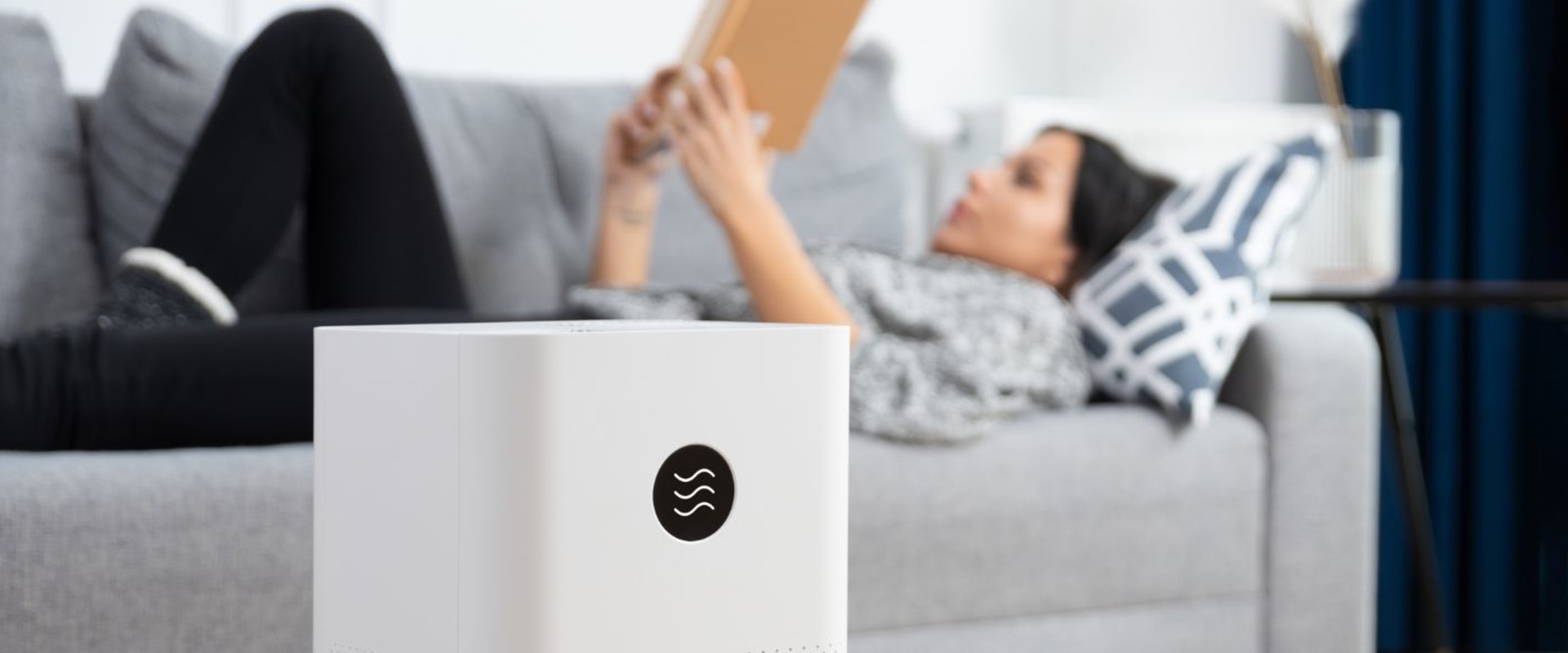
In recent years, the conversation surrounding indoor air quality has gained significant traction, particularly as people become more aware of the impact that air pollution can have on health and well-being. Air purifiers have emerged as a popular solution for those seeking to enhance the quality of the air they breathe at home or in the workplace. But what exactly are these devices, and how do they function to improve our indoor environments?At their core, air purifiers are designed to remove contaminants from the air, including dust, pollen, pet dander, smoke, and even certain bacteria and viruses. They work by drawing in air from the surrounding environment, filtering it through various mechanisms, and then releasing cleaner air back into the room.
The effectiveness of an air purifier largely depends on its technology and filtration system. For instance, models equipped with HEPA filters are known for their ability to capture at least 99.5% of particles that are 0.3 microns in size or larger, making them a top choice for those with allergies or respiratory issues.The benefits of using air purifiers extend beyond just cleaner air; they can also contribute to a healthier living space by reducing allergens and irritants that can exacerbate conditions like asthma or seasonal allergies. Furthermore, with the rise of concerns related to airborne viruses, many individuals are turning to these devices as an additional layer of protection against potential health risks. As we delve deeper into the world of air purifiers, it becomes clear that understanding their functionality and benefits is essential for making informed decisions about improving indoor air quality.
Common Myths About Air Purifiers
As air purifiers gain popularity, several myths have emerged that can mislead consumers.Understanding these misconceptions is essential for making informed choices about indoor air quality. Here are some of the most common myths surrounding air purifiers:
- Myth 1: Air Purifiers Eliminate All Pollutants
Many people believe that air purifiers can completely eliminate all types of pollutants from their indoor environment. In reality, while high-quality air purifiers can significantly reduce airborne particles, they cannot remove everything. For instance, larger particles like dust and pet dander may be captured effectively, but gases and odors from cooking or cleaning products may not be filtered out unless the device is specifically designed to do so. - Myth 2: All Air Purifiers Are the Same
Not all air purifiers are created equal.There are various technologies available, including HEPA filters, activated carbon filters, and UV light systems. Each type has its strengths and weaknesses. For example, HEPA filters are excellent for trapping small particles, while activated carbon is better for absorbing odors and gases. Consumers should research and choose a model that fits their specific needs.
- Myth 3: Air Purifiers Are Only Necessary During Allergy Season
While many people associate air purifiers with allergy relief during peak pollen seasons, they can be beneficial year-round.Indoor air can be polluted by various sources such as cooking fumes, pet hair, and even mold. Using an air purifier consistently can help maintain a healthier indoor environment.
- Myth 4: Ozone Generators Are Safe and Effective
Some air purifiers generate ozone to clean the air; however, this practice is controversial. Ozone can irritate the lungs and exacerbate respiratory issues. The EPA has warned against using ozone-generating devices in homes due to potential health risks.It’s crucial to choose an air purifier that does not produce ozone as a byproduct.
- Myth 5: Air Purifiers Can Replace Good Ventilation
While air purifiers can improve indoor air quality, they should not be seen as a substitute for proper ventilation. Fresh outdoor air is essential for diluting indoor pollutants. Regularly opening windows or using exhaust fans in kitchens and bathrooms can complement the effectiveness of an air purifier.
The Science Behind Air Purification Technologies
Understanding the various air purification technologies available is crucial for making an informed decision when selecting an air purifier.Each technology has its unique strengths and weaknesses, which can significantly impact the effectiveness of the device in improving indoor air quality.
HEPA Filters
One of the most recognized technologies in air purification is the HEPA filter (High-Efficiency Particulate Air filter). These filters are designed to capture at least 99.97% of particles that are 0.3 microns in size, including dust, pollen, pet dander, and even some bacteria and viruses. The efficiency of HEPA filters makes them a popular choice for those suffering from allergies or respiratory issues.HEPA filters work by forcing air through a fine mesh that traps harmful particles. However, it’s important to note that while HEPA filters are highly effective at removing particulate matter, they do not eliminate gases or odors.Therefore, many air purifiers combine HEPA filters with other technologies to enhance their overall performance.
Activated Carbon Filters
Activated carbon filters
are another essential component in many air purifiers. These filters utilize activated carbon, which has a vast surface area due to its porous structure, allowing it to adsorb a wide range of gases and odors. This makes them particularly effective at removing volatile organic compounds (VOCs), smoke, and other unpleasant smells from the air.While activated carbon filters excel at gas removal, they do not capture particulate matter as effectively as HEPA filters. Therefore, when looking for an air purifier, consider models that incorporate both HEPA and activated carbon technologies for comprehensive air cleaning.
UV-C Light Air Purifiers
UV-C light technology
is another innovative method used in some air purifiers.
This technology employs ultraviolet light to kill or deactivate microorganisms such as bacteria, viruses, and mold spores. When air passes through the UV-C chamber of the purifier, these harmful pathogens are exposed to UV light, rendering them inactive and unable to reproduce.While UV-C light can be effective in reducing biological contaminants in the air, it is essential to understand that it does not remove particles or gases. Therefore, it is often used in conjunction with HEPA and activated carbon filters to provide a more holistic approach to air purification.In summary, understanding these different air purification technologies —HEPA filters for particulates, activated carbon for gases and odors, and UV-C light for microorganisms—can help you choose the right air purifier that meets your specific needs. When shopping for an air purifier, look for models that combine these technologies for optimal performance in improving indoor air quality.
Evaluating Air Purifier Effectiveness: CADR and Other Metrics
When it comes to selecting the top air purifiers, understanding their effectiveness is crucial.One of the primary metrics used to evaluate air purifier performance is the Clean Air Delivery Rate (CADR). This rating provides a standardized measure of how quickly and efficiently an air purifier can remove specific pollutants from the air, such as dust, smoke, and pollen.The CADR rating is expressed in cubic feet per minute (CFM) and indicates the volume of filtered air delivered by the purifier. For instance, a higher CADR rating means that the air purifier can clean a larger volume of air in a shorter amount of time, making it more effective for larger spaces. When comparing models, look for those with CADR ratings that match your room size to ensure optimal performance.
Understanding CADR Ratings
The CADR rating is determined through rigorous testing that measures how well an air purifier can reduce specific contaminants.Each type of pollutant has its own CADR score:
- Dust: Indicates how effectively the purifier removes dust particles.
- Pollen: Measures the efficiency in filtering out pollen grains.
- Smoke: Assesses the ability to eliminate smoke particles from the air.
Other Performance Metrics
In addition to CADR, there are other important metrics to consider when assessing air purifier effectiveness:- Filter Efficiency: This metric indicates how well the filters capture particles of various sizes. HEPA filters, for example, are designed to trap at least 99.97% of particles that are 0.3 microns in diameter.
- Air Changes Per Hour (ACH): This measures how many times an air purifier can filter the entire volume of air in a room within one hour. A higher ACH indicates better performance.
- Noise Level: The sound produced by an air purifier can impact your comfort level, especially if you plan to use it in a bedroom or office.
Look for models that operate quietly while still delivering effective purification.
Health Benefits of Using Air Purifiers
Investing in a quality air purifier can significantly enhance your health, particularly for those who suffer from allergies or respiratory conditions. The benefits of using air purifiers extend beyond mere comfort; they can play a crucial role in improving overall well-being.1.Relief from Allergies
For individuals with allergies, air purifiers can be a game-changer. These devices are designed to filter out common allergens such as pollen, dust mites, pet dander, and mold spores. By reducing the concentration of these irritants in the air, air purifiers can help alleviate symptoms like sneezing, runny nose, and itchy eyes.
A study published in the Journal of Allergy and Clinical Immunology found that using HEPA-filtered air purifiers led to a significant reduction in allergy symptoms among participants.
2.Improved Respiratory Health
Air purifiers are particularly beneficial for individuals with respiratory conditions such as asthma or chronic obstructive pulmonary disease (COPD). These devices can help remove harmful particles from the air, including smoke, dust, and volatile organic compounds (VOCs), which can trigger asthma attacks or exacerbate breathing difficulties. According to research from the American Journal of Respiratory and Critical Care Medicine, patients with asthma reported improved lung function and reduced symptoms when using air purifiers regularly.
3.Reduction of Airborne Viruses and Bacteria
Another significant health benefit of air purifiers is their ability to reduce airborne pathogens. Many high-quality air purifiers utilize HEPA filters that can capture particles as small as 0.3 microns, including bacteria and viruses.
This capability is especially important during cold and flu season or in the context of respiratory illnesses like COVID-19. A study conducted by the Centers for Disease Control and Prevention (CDC) indicated that using air purifiers could lower the risk of airborne transmission of viruses in indoor settings.
4.Enhanced Sleep Quality
Clean air contributes to better sleep quality, which is essential for overall health. Air purifiers can help create a more restful environment by reducing allergens and irritants that may disrupt sleep. Additionally, many modern air purifiers operate quietly, making them suitable for use in bedrooms without causing disturbances.
5.Overall Well-Being
The cumulative effect of cleaner air leads to improved overall well-being. When you breathe easier and experience fewer allergy or asthma symptoms, your quality of life improves significantly.
This enhancement can lead to increased productivity during the day and a more active lifestyle.In conclusion, the health benefits associated with using air purifiers are substantial, particularly for those with allergies or respiratory issues. By investing in a top-rated air purifier equipped with HEPA filters, you can take proactive steps toward creating a healthier indoor environment.
The Role of Air Purifiers in Combating Indoor Pollution
Indoor air pollution is a significant concern that often goes unnoticed. Many people are unaware that the air inside their homes can be more polluted than the air outside. Understanding the sources of indoor pollution is crucial for recognizing how air purifiers can play a vital role in improving air quality.Common sources of indoor air pollution include:- Volatile Organic Compounds (VOCs): These are emitted from various household products such as paints, cleaning agents, and furniture.
VOCs can lead to headaches, dizziness, and long-term health issues.
- Dust and Allergens: Dust mites, pet dander, and pollen are common allergens that can accumulate in homes, triggering allergic reactions and asthma symptoms.
- Mold and Mildew: Areas with high humidity can foster mold growth, which releases spores into the air that can cause respiratory problems.
- Smoke: Whether from cooking or tobacco use, smoke particles can linger in the air and contribute to poor indoor air quality.
- Carbon Dioxide (CO2): High levels of CO2 can accumulate in poorly ventilated spaces, leading to fatigue and decreased cognitive function.
- HEPA Filters: Many top air purifiers utilize HEPA filters that capture at least 99.97% of particles as small as 0.3 microns. This includes dust, pollen, and pet dander, significantly reducing allergens in the air.
- Activated Carbon Filters: These filters are effective at absorbing VOCs and odors from the air, making them ideal for homes with strong smells or chemical emissions.
- UV-C Light Technology: Some advanced models incorporate UV-C light to kill bacteria and viruses, providing an additional layer of protection against pathogens.
Choosing the Right Air Purifier: Key Considerations
When it comes to selecting the right air purifier, understanding your specific needs and the features available is crucial.With a plethora of options on the market, making an informed decision can significantly enhance your indoor air quality. Here are some key considerations to keep in mind:
- Type of Filter: The most effective air purifiers utilize HEPA (High-Efficiency Particulate Air) filters, which can capture at least 99.97% of particles that are 0.3 microns in size. If you suffer from allergies or asthma, look for models that specifically mention HEPA filtration.
- CADR Rating: The Clean Air Delivery Rate (CADR) measures how quickly an air purifier can filter the air in a room. A higher CADR rating indicates better performance.
For optimal results, choose a purifier with a CADR that matches the size of the room where it will be used.
- Room Size: Consider the square footage of the area you want to purify. Many air purifiers are designed for specific room sizes, so ensure that the model you choose is suitable for your space.
- Noise Level: If you plan to use the air purifier in a bedroom or office, pay attention to its noise level. Look for models that operate quietly, especially on lower settings, to avoid disturbances during sleep or work.
- Additional Features: Some air purifiers come with extra features such as air quality sensors, smart connectivity, and programmable timers. These can enhance usability and provide real-time feedback on your indoor air quality.
- Ignoring Maintenance Costs: Regular maintenance is vital for optimal performance.
Check how often filters need to be replaced and factor in these costs when budgeting for your air purifier.
- Overlooking Warranty and Support: A good warranty can provide peace of mind. Ensure that the manufacturer offers reliable customer support and a reasonable warranty period.
- Focusing Solely on Price: While it may be tempting to choose the cheapest option, investing in a quality air purifier can save you money in the long run through better efficiency and durability.
Ozone-Generating Air Purifiers: The Controversy Explained
The debate surrounding ozone-generating air purifiers has gained significant attention in recent years, particularly as consumers seek effective solutions for improving indoor air quality. While these devices claim to purify the air by releasing ozone, a gas that can neutralize odors and pollutants, the reality is far more complex and concerning.One of the primary risks associated with ozone-generating air purifiers is their potential to harm human health. Ozone is a known lung irritant, and exposure to elevated levels can lead to a range of respiratory issues, including:- Coughing and throat irritation
- Shortness of breath
- Worsening of asthma symptoms
- Increased susceptibility to respiratory infections
This raises a critical question: Are ozone generators safe?The consensus among health experts is that ozone-generating air purifiers are not safe for regular use in occupied spaces. The EPA and other health organizations recommend avoiding these devices, especially in homes with children, the elderly, or individuals with pre-existing respiratory conditions.In contrast, HEPA filters offer a proven and safer alternative for improving indoor air quality. HEPA (High-Efficiency Particulate Air) filters are designed to capture at least 99.97% of particles that are 0.3 microns in size, including dust, pollen, pet dander, and even some bacteria and viruses. Unlike ozone generators, HEPA filters do not produce harmful byproducts and are widely regarded as effective for:
- Reducing allergens in the home
- Improving overall air quality
- Providing a safer environment for sensitive individuals
By prioritizing safety and effectiveness, consumers can make informed decisions that contribute to healthier indoor environments.
Frequently Asked Questions About Air Purifiers
When considering the purchase of a top air purifier, potential buyers often have numerous questions. This FAQ section aims to address some of the most common inquiries regarding air purifiers, their functionality, and maintenance.What is an air purifier and how does it work?
An air purifier is a device designed to remove contaminants from the air in a room. It works by drawing in air, filtering it through various mechanisms, and then releasing cleaner air back into the environment. The most effective models utilize HEPA filters, which can capture up to 99.97% of particles as small as 0.3 microns, including dust, pollen, and pet dander.Do air purifiers really improve indoor air quality?
Yes, air purifiers can significantly enhance indoor air quality by reducing airborne pollutants.They are particularly beneficial for individuals with allergies or respiratory conditions, as they help to minimize irritants that can trigger symptoms.
How often should I replace the filters in my air purifier?
The frequency of filter replacement depends on the type of filter and usage. Generally, HEPA filters should be replaced every 6 to 12 months, while pre-filters may need changing every 1 to 3 months. Always refer to the manufacturer's guidelines for specific recommendations.Can I run my air purifier all day?
Most air purifiers are designed for continuous operation. Running your unit throughout the day can help maintain optimal air quality.However, consider using a model with an automatic sensor that adjusts the fan speed based on current air quality levels for energy efficiency.
What size air purifier do I need for my room?
The size of the air purifier you need depends on the square footage of the room where it will be used. Check the product specifications for its coverage area and choose a model that matches or exceeds your room's dimensions to ensure effective filtration.Are ozone-generating air purifiers safe?
No, ozone-generating air purifiers are not recommended as they can produce harmful ozone levels that may irritate the lungs and exacerbate respiratory issues. Opt for models that use HEPA filters or activated carbon instead.What maintenance do air purifiers require?
Regular maintenance includes cleaning or replacing filters as needed and wiping down the exterior of the unit to prevent dust buildup. Some models also have pre-filters that can be washed periodically to extend their lifespan.If you have further questions about specific models or features, consult with customer service representatives or read user reviews to gain insights from other consumers' experiences.Conclusion: Making Informed Choices About Air Purification
In conclusion, understanding the truth about air purifiers is essential for anyone looking to improve their indoor air quality.Throughout this article, we have explored various aspects of air purifiers, including their effectiveness, the technologies they employ, and the myths that often surround them. It is crucial to recognize that while top air purifiers can significantly enhance the air we breathe, they are not a panacea for all indoor air quality issues.One of the key takeaways is that air purifiers equipped with HEPA filters are among the most effective options available. These filters can capture a substantial percentage of airborne particles, including allergens and pollutants. However, it is important to remember that they cannot eliminate all harmful substances from your environment.
Particles can still settle on surfaces and remain in your home despite the use of an air purifier.Moreover, we discussed the importance of the Clean Air Delivery Rate (CADR) as a metric for evaluating an air purifier's performance. A higher CADR rating indicates better efficiency in removing specific types of particles from the air. When selecting an air purifier, consumers should prioritize models with high CADR ratings and HEPA filters to ensure they are making a sound investment.Additionally, we addressed the potential dangers associated with ozone-generating air purifiers. While marketed as effective cleaning devices, these models can release ozone, which poses health risks rather than providing benefits.
It is vital to avoid such products and focus on those that utilize proven filtration technologies.Ultimately, making informed choices about air purification involves understanding both the capabilities and limitations of these devices. They should be viewed as part of a broader strategy for maintaining healthy indoor air quality, which includes regular cleaning and proper ventilation. By combining these practices with the use of high-quality air purifiers, individuals can create a healthier living environment.In summary, while air purifiers can play a significant role in improving indoor air quality, they are not a substitute for comprehensive health measures. By arming yourself with factual information and understanding how to choose the right product for your needs, you can effectively enhance your home's air quality and protect your health.